A prototype is a question made tangible. Before choosing a fabrication method, write down what the model should help you learn. A rough cardboard shape may answer a question about size, while a more detailed model may be needed to explore how separate pieces fit together.
Draw the object at a scale that makes its important relationships visible. Mark the features that matter to this version and leave decorative details for later. This prevents an early experiment from carrying the cost and complexity of a finished object.
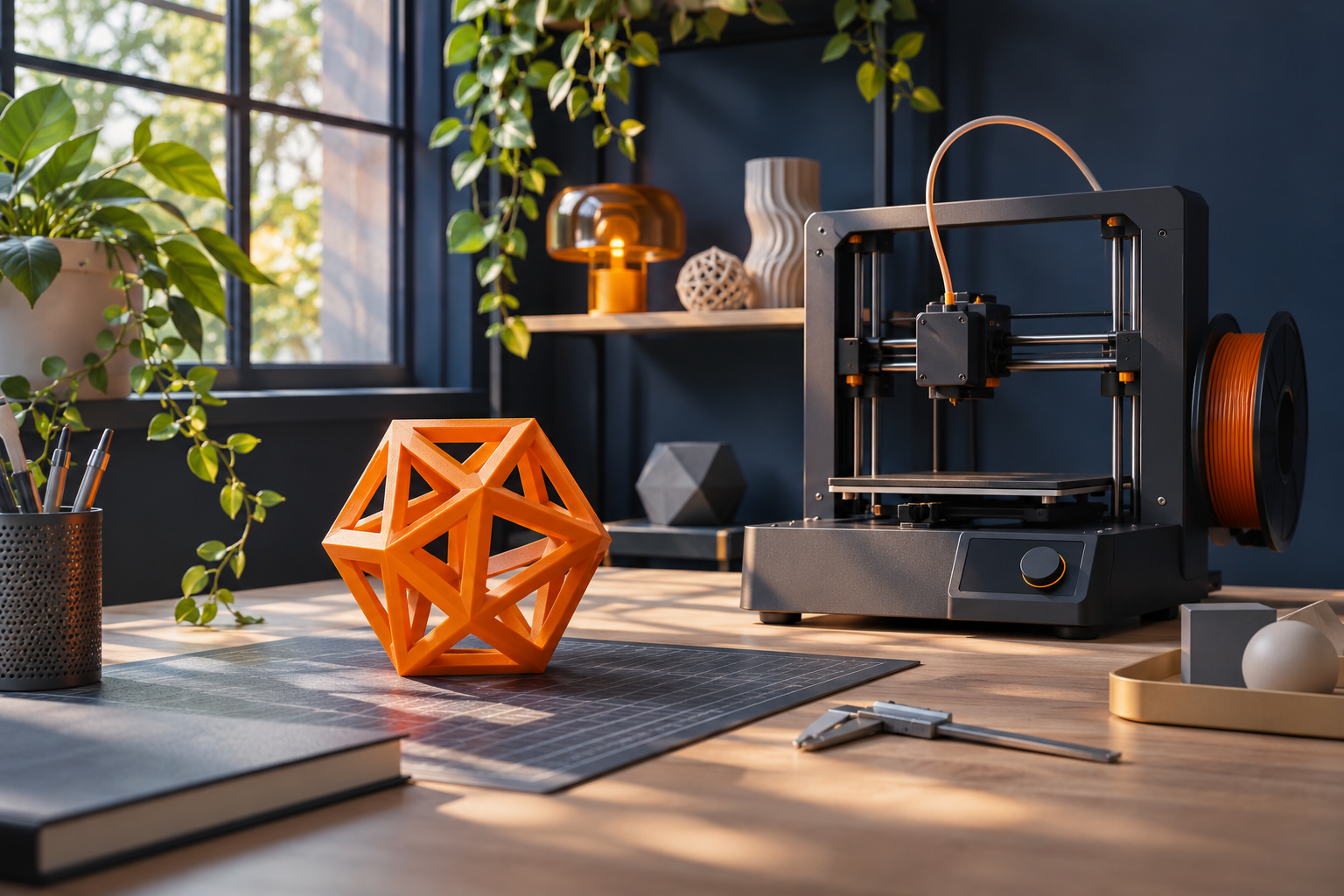
Choose the simplest material and method that can answer the current question. Record what the prototype cannot demonstrate as well as what it can. A visual mock-up should not be treated as evidence of structural performance, durability or suitability for a real operating environment.
After examining the result, decide whether the question has been answered. Keep the model, photographs and notes together so the next version has a clear starting point. A good prototype does not need to look complete. It needs to make a specific uncertainty easier to inspect, discuss and resolve.