A maker archive gives unfinished ideas somewhere useful to live. Without one, a promising model may end up separated from the sketch that explains it. A lightweight system can preserve the relationship between an object, the question behind it and the lesson it produced.
Assign each experiment a short name and keep photographs with its working notes. Include the version, the material used and the purpose of that iteration. Describe visible results in ordinary language before adding technical detail.
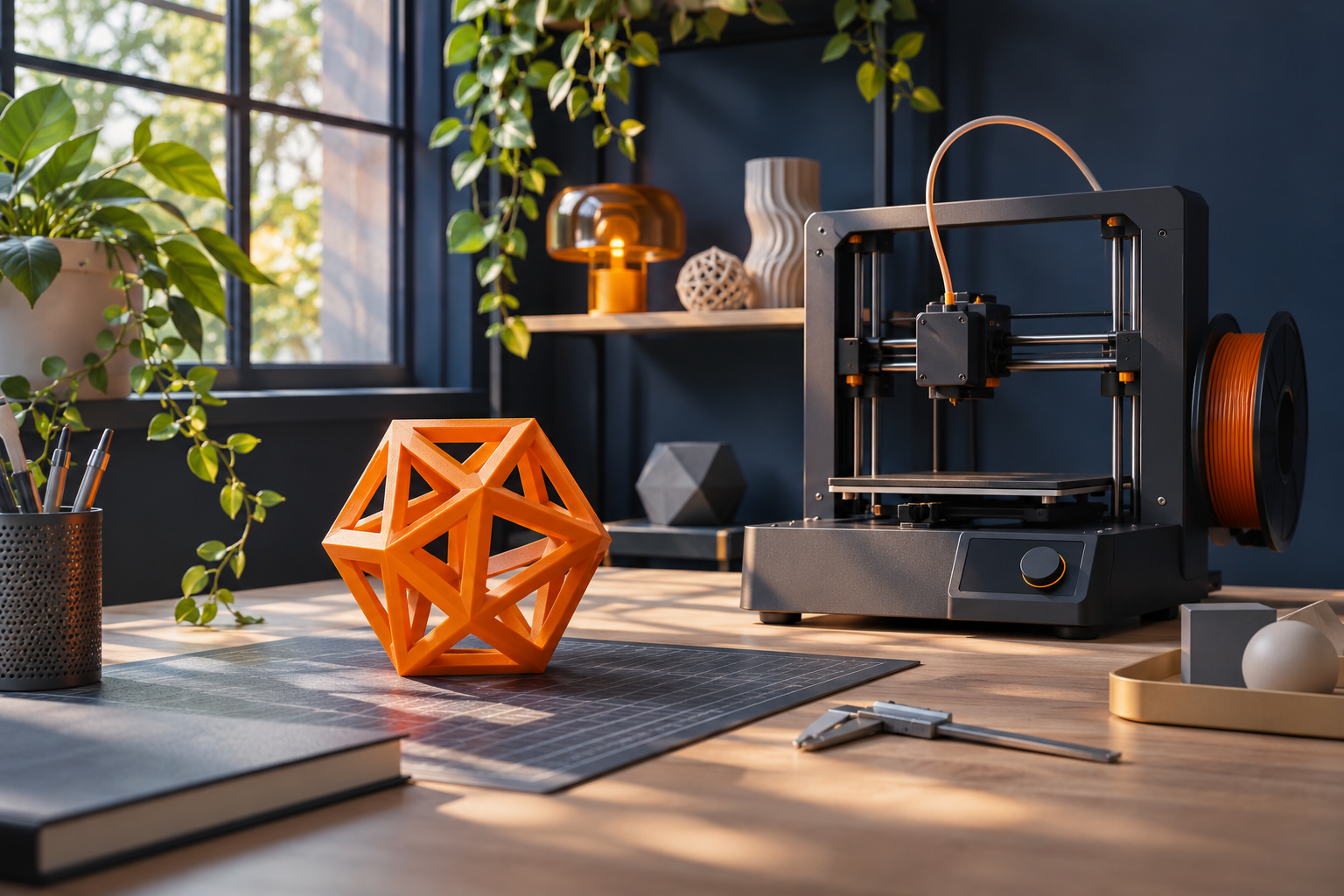
Decide which physical samples are worth keeping. A small labeled sample can be more informative than a large box of unidentified offcuts. Store items in a way appropriate to their materials and leave a note when a photograph is all that remains.
Occasionally review the archive for patterns. You may discover a recurring design problem, a useful shape or a method that deserves another attempt. The point is not to keep every fragment. It is to preserve enough context that an old experiment can become a meaningful starting point for new work instead of another mysterious object on a shelf.