An interesting observation is often the beginning of a science question rather than an answer. A changing shadow, a patterned reflection or a plant leaning toward a window can invite closer attention. Start by describing exactly what caught your eye.
Replace a broad question with one that identifies a relationship. Ask what changes, what stays the same and what could be compared. Keeping the scope small makes it easier to find suitable educational sources and to recognize which information is actually relevant.
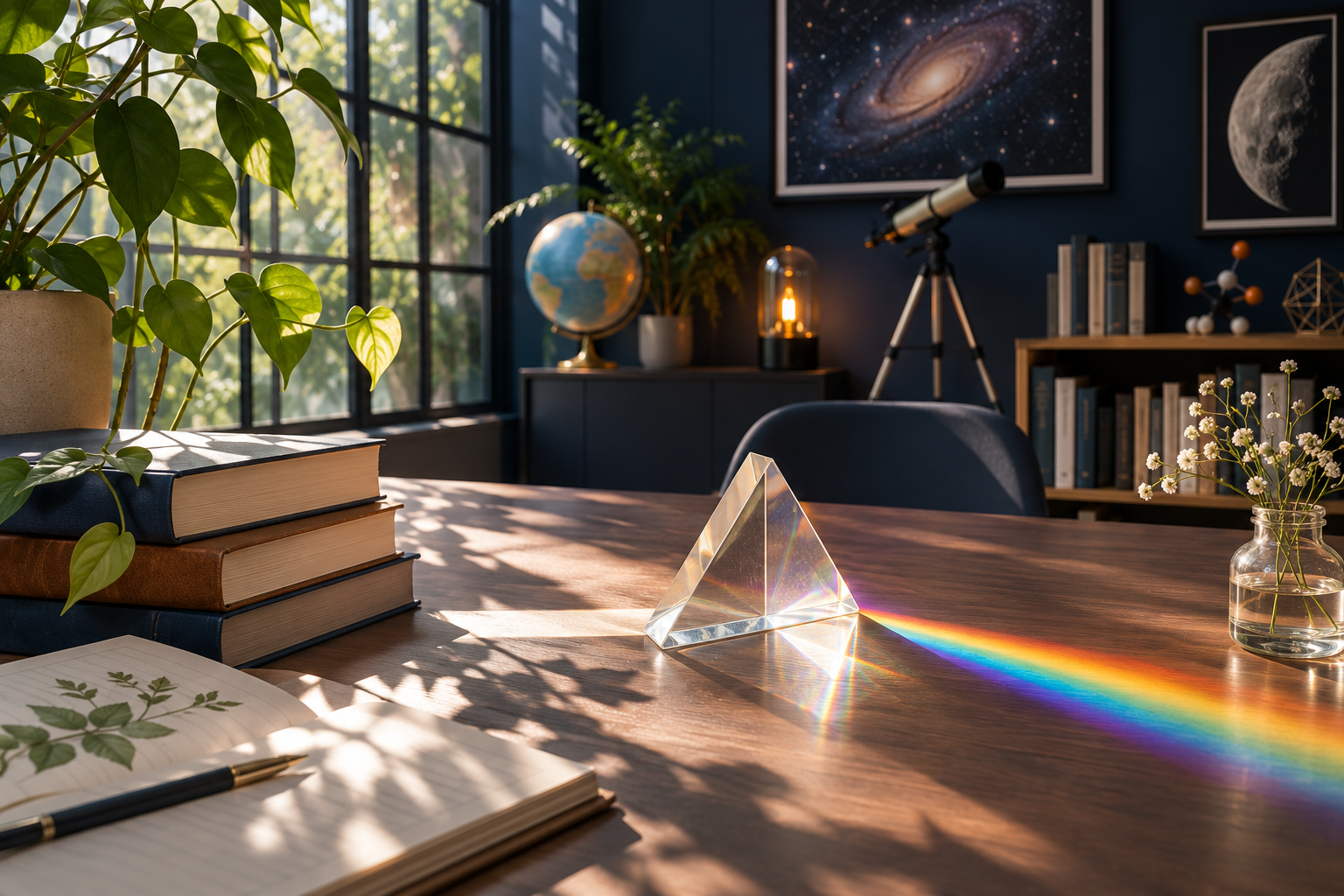
Keep an observation notebook with dates, sketches and the conditions you noticed. Separate direct observations from ideas about their cause. An appealing explanation should remain a possibility until there is enough evidence to support it.
When reading about the subject, look for a source that explains its method and limitations. Record where each important statement came from. Everyday curiosity becomes more useful when it leads to precise questions, honest uncertainty and a willingness to revise an initial impression. There is no need to rush toward an impressive conclusion.